About
Throughout my life, I've been fascinated by design and technology that make life easier and more enjoyable. From the bumpy yellow dots on sidewalks to 3D glasses, the little things that make our lives more accessible and immersive always make me pause and ask: how can we create things that feel more humane?
With virtual reality and artificial intelligence shaping the future, my goal is to direct these powerful tools toward human needs, focusing on wellness, safety, and perception.
My current project involves locomotion in VR, using simulations to evaluate pedestrian safety and explore drivers' blind spots.

Research Interest
GEAR ARSENAL
RESEARCH
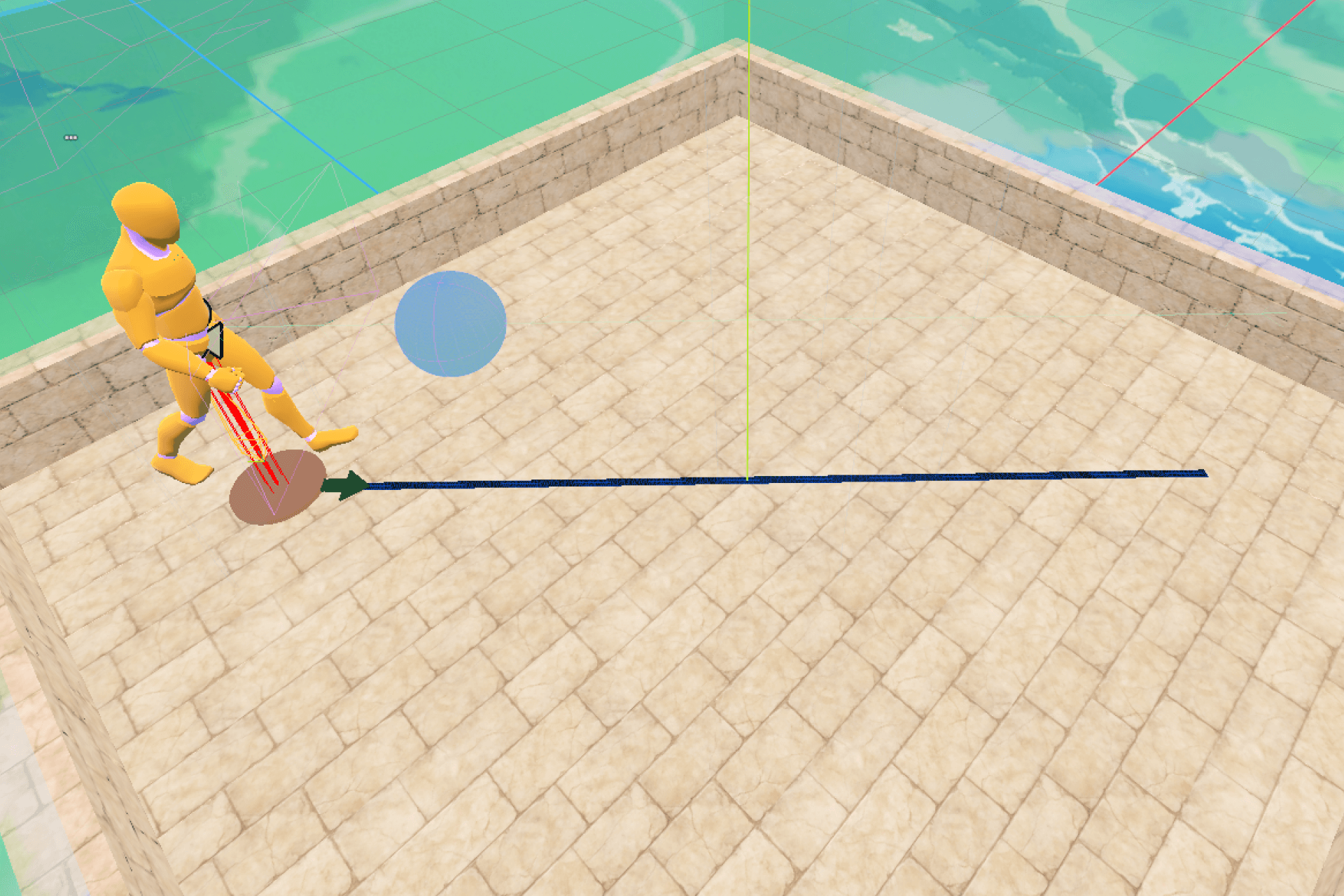
EVALUATION OF GUIDED WALKING SPEED TECHNIQUES IN VIRTUAL REALITY
Evaluating different guided walking techniques to effectively control the walking speed of the user to reduce confounding variables in VR locomotion research.
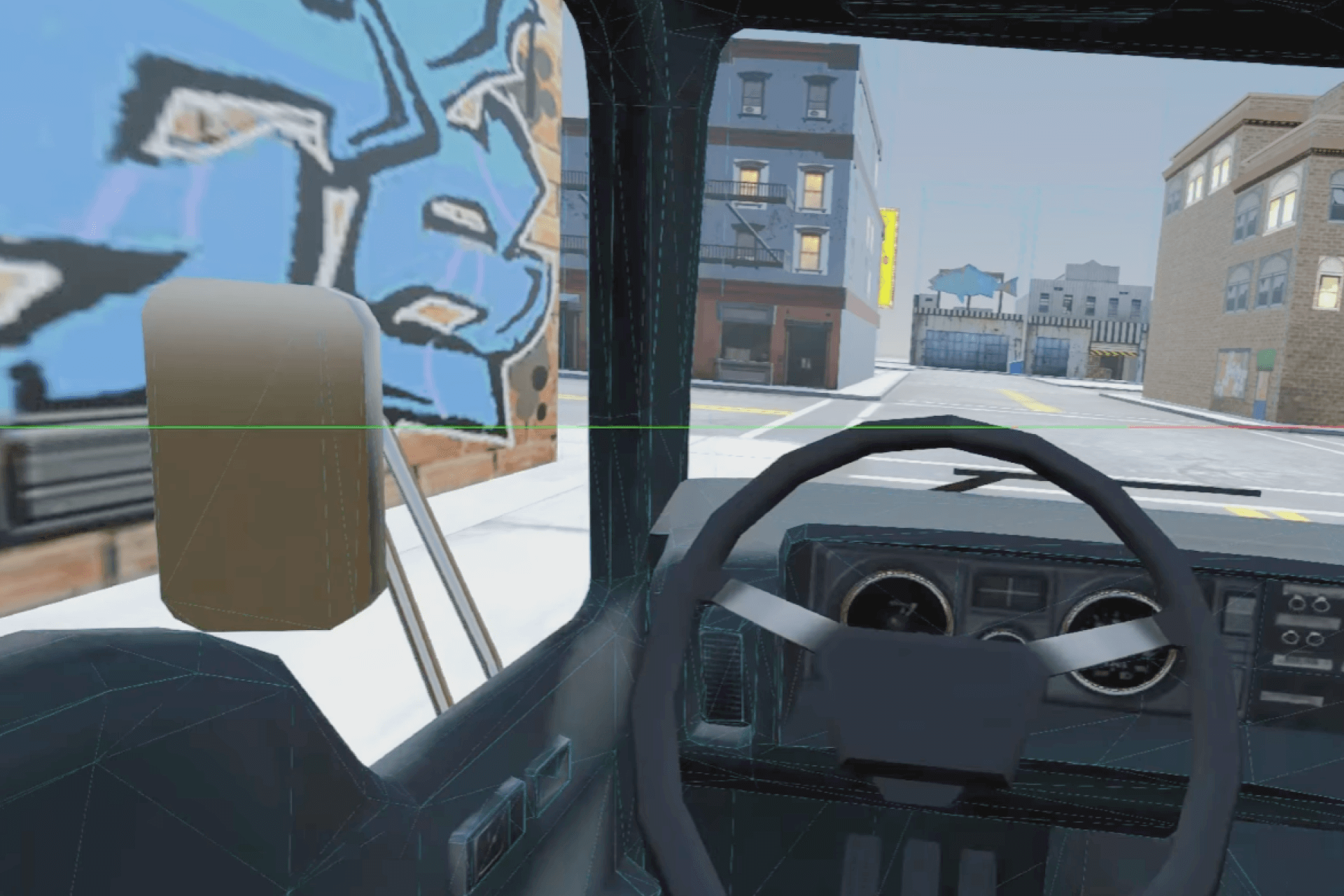
SIMULATING DRIVER BLIND SPOTS WITH VR: IMPLICATIONS FOR PEDESTRIAN SAFETY
Advance VR simulation to test the blind spot of vehicles of different heights, such as trucks and cars, and how it affects the safety of pedestrians and other vehicles.
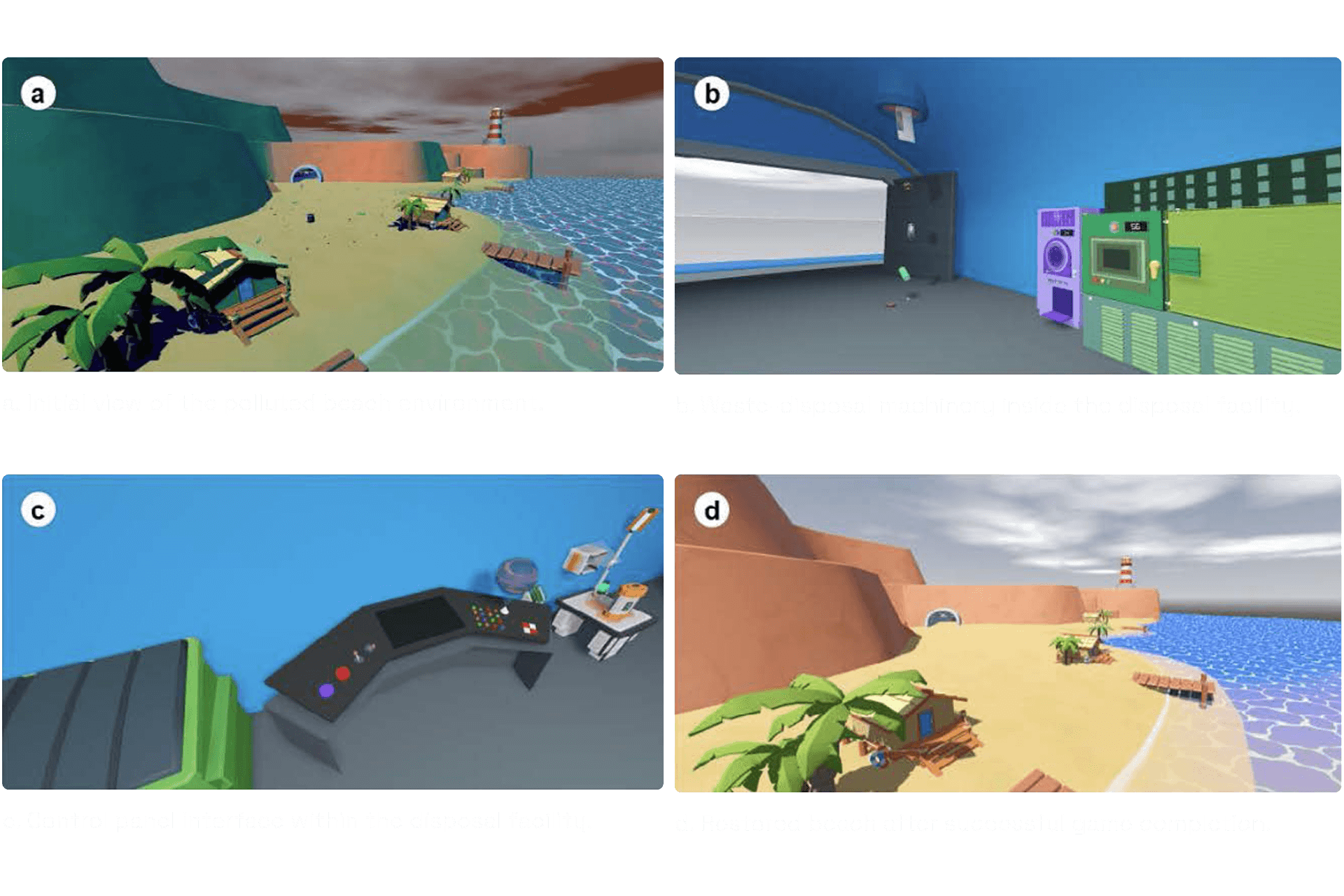
SHORE DEFENDER: A VR EDUTAINMENT GAME FOR OCEAN CONSERVATION
Multiplayer virtual reality edutainment game designed to raise public awareness about ocean conservation and plastic recycling through novel interaction techniques and immersive gameplay experiences.
Publications
Shore Defender: A VR Edutainment Game Aiming to Raise Public Awareness on Ocean Conservation and Plastic Recycling
Authors: Md Azizul Hakim, Md Nahid Hasan, Randall Sanders, Jerald Thomas
IEEE VR
Multiplayer virtual reality edutainment game designed to raise public awareness about ocean conservation and plastic recycling through novel interaction technique and and immersive gameplay experiences.
Advancing Breast Cancer Diagnosis: Attention-Enhanced U-Net for Breast Cancer Segmentation
Authors: Md Nahid Hasan, Adit Ishraq, Ashraful Alam Emon, Jungpil Shin, Md Mohsin Kabir
Springer
An attention-enhanced U-Net with saliency mechanisms improves breast cancer segmentation, offering greater accuracy, efficiency, and adaptability than conventional models while showing promise for wider medical imaging use.
Road sign detection using variants of yolo and r-cnn: An analysis from the perspective of bangladesh
Authors: Aklima Akter Lima, Md Mohsin Kabir, Sujoy Chandra Das, Md Nahid Hasan, MF Mridha
Springer
Using the BDRS 2021 dataset, this study identifies YOLOv3 and Faster R-CNN as the most effective among seven models for real-time road sign detection, thereby enhancing ADAS systems to improve driver awareness and road safety.
Information-based mobile application to tackle covid-19 circumstances
Authors: Sakhawat Hossain, Md Nahid Hasan, Md Nazibul Islam, Mamunur Rashid Mukto, Md Shahnewaz Abid, Fahima Khanam
Journal of Scientific Research and Reports
An accessible IoMT-driven HCI application integrates real-time health monitoring, COVID-19 tracking, and telemedicine services to strengthen pandemic response and improve healthcare delivery in developing countries
YOUTUBE VIDEOS
EDUCATION
MS IN COMPUTER SCIENCE
University of Wisconsin-Milwaukee
Wisconsin, USA
BSC ENGG IN COMPUTER SCIENCE AND ENGINEERING
Bangladesh University of Business and Technology
Dhaka, Bangladesh
Major: Artificial Intelligence and Expert System
PROJECTS
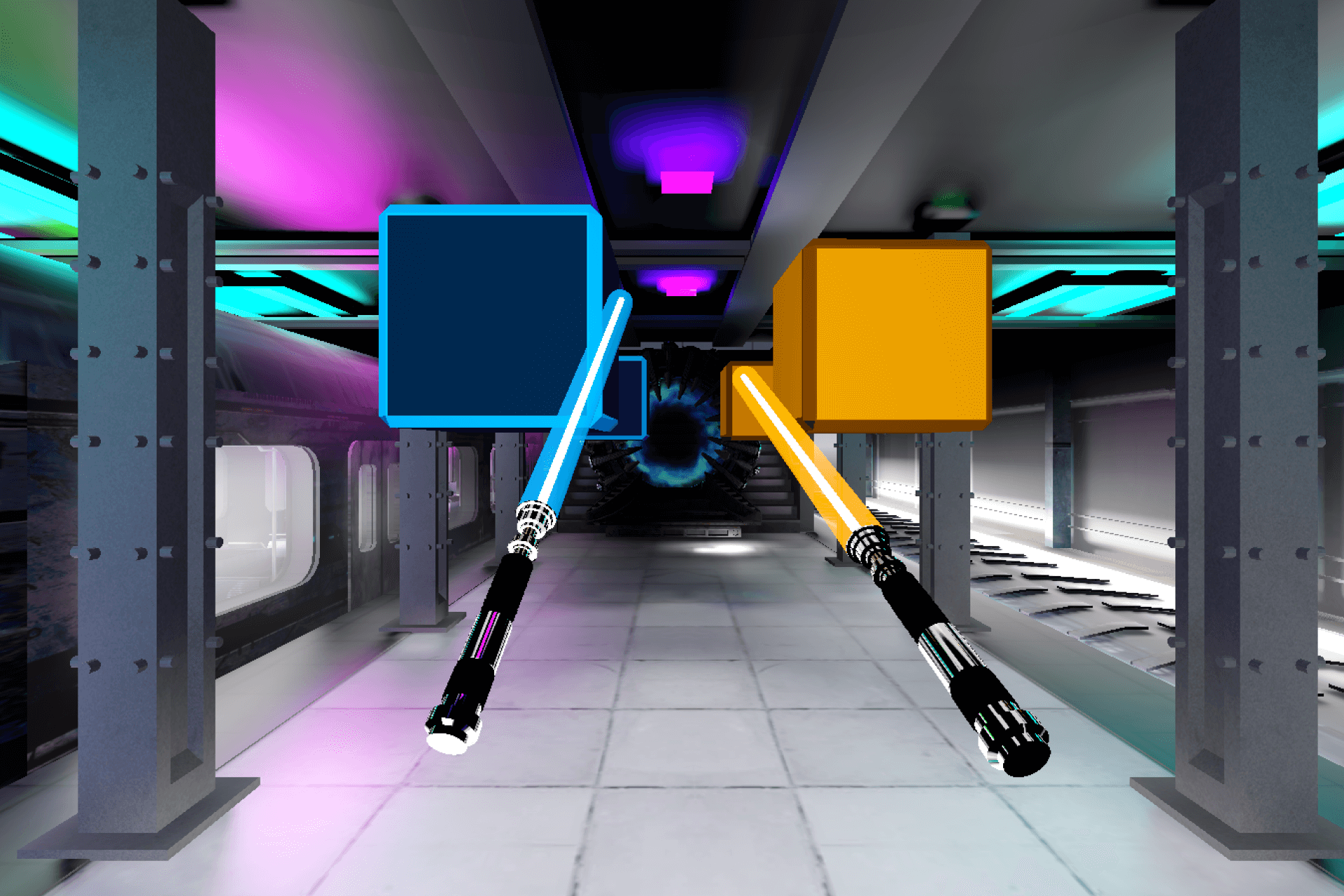
VR RHYTHM SABER COMBAT
Turning hand therapy into an exciting music-driven VR game. Players slice the cubes flying toward them and practice sensory coordination by processing the visual cue and timing their sword swings, which helps improve range of motion (ROM), fine motor skills, and hand-eye coordination as part of upper limb rehabilitation.
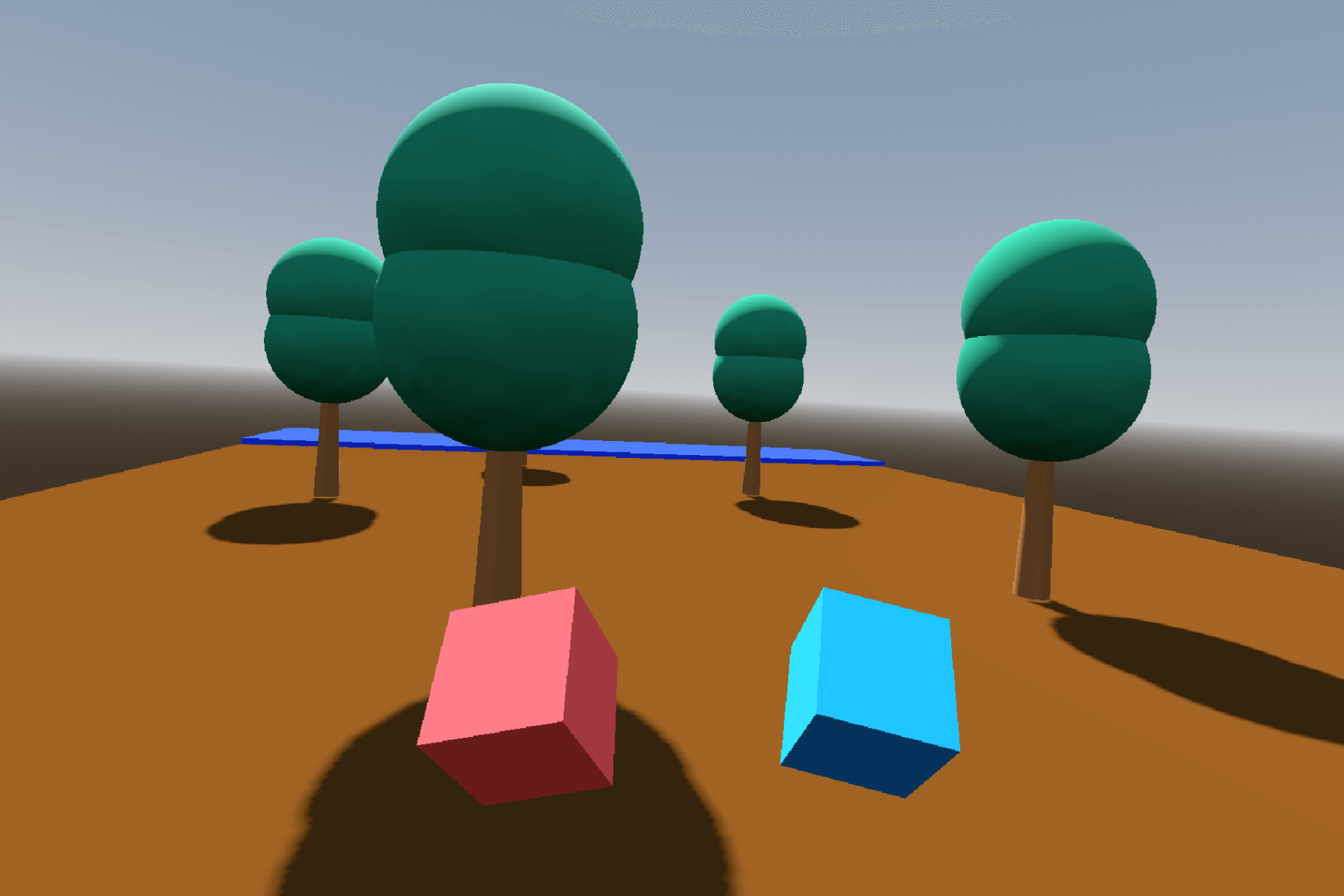
ACCESSIBLE VR LOCOMOTION
By combining hand-based forward and backward movement with head-angled direction, this application creates an intuitive locomotion technique that mirrors the natural hand motions wheelchair users employ to propel themselves. In addition to enhancing accessibility in virtual environments, it also provides therapeutic exercises for motor rehabilitation, neck therapy, and spinal health.
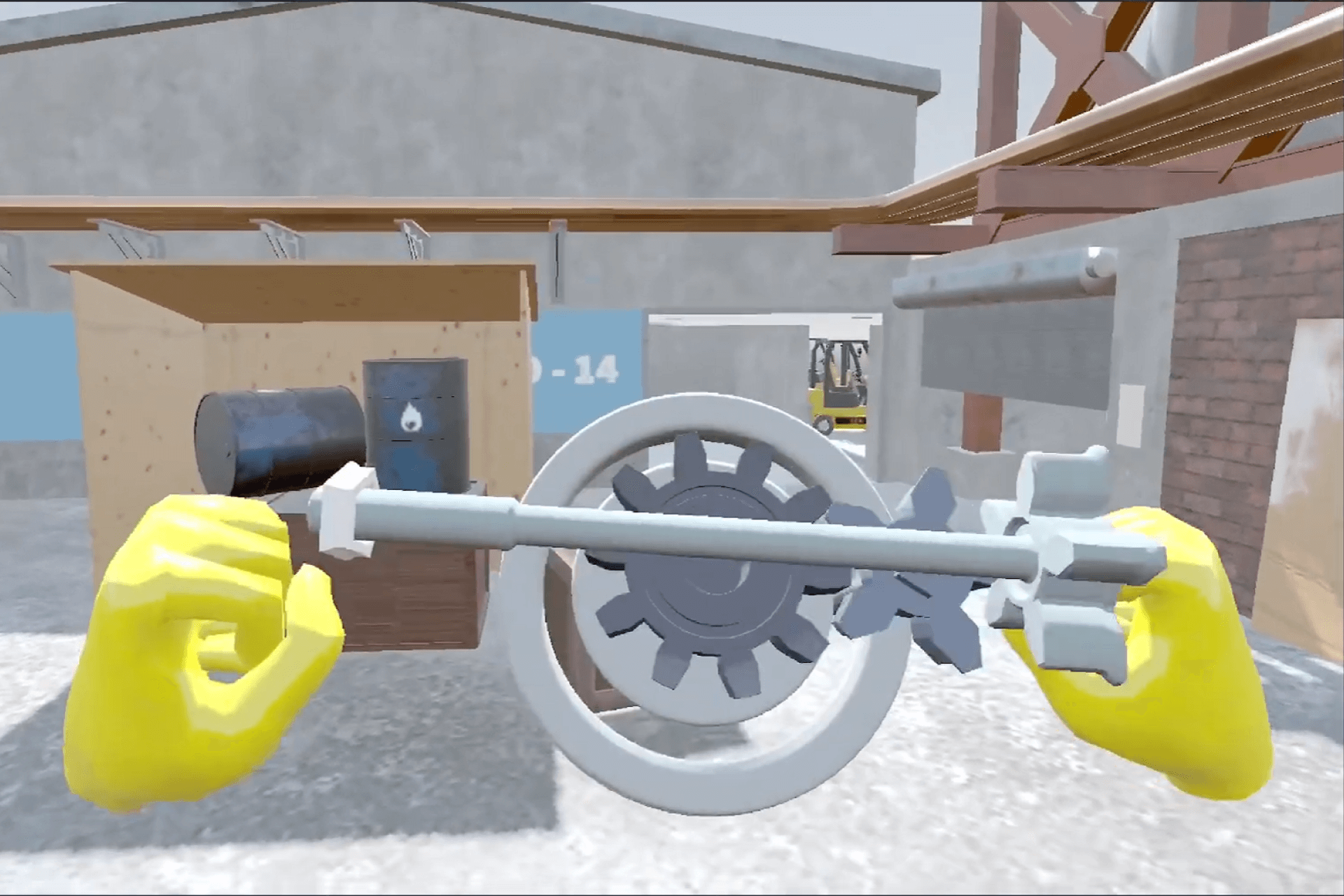
BIMANUAL VR MANIPULATION
Users manipulate objects with both hands, scaling and repositioning them in real time. This system supports educational and engineering tasks like engine part inspection while promoting therapeutic practice for improving hand and motor function.
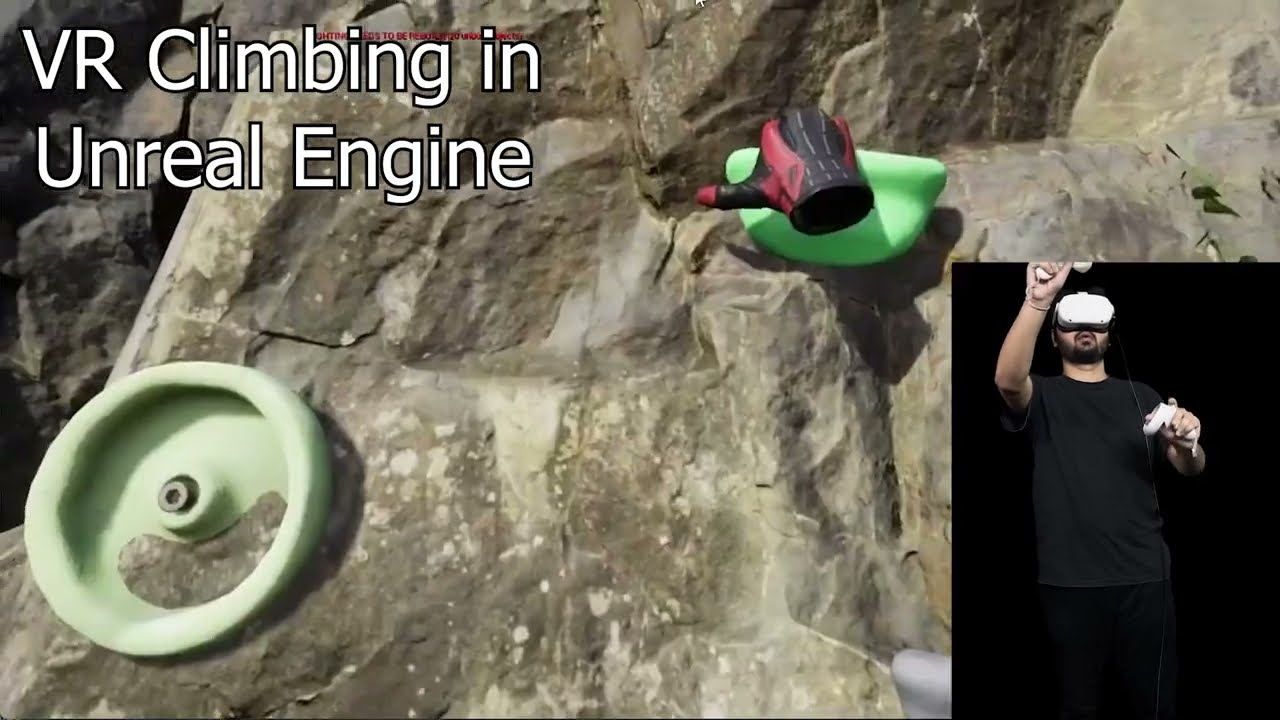
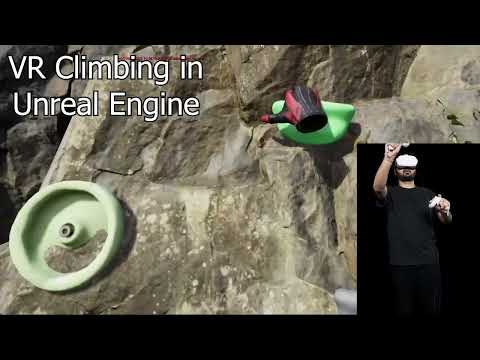
VR CLIMBING
By replicating natural two-handed climbing interactions, this VR application provides repetitive exercises for hand and upper-body rehabilitation. At the same time, it serves as an exposure-based training tool for overcoming height phobia.
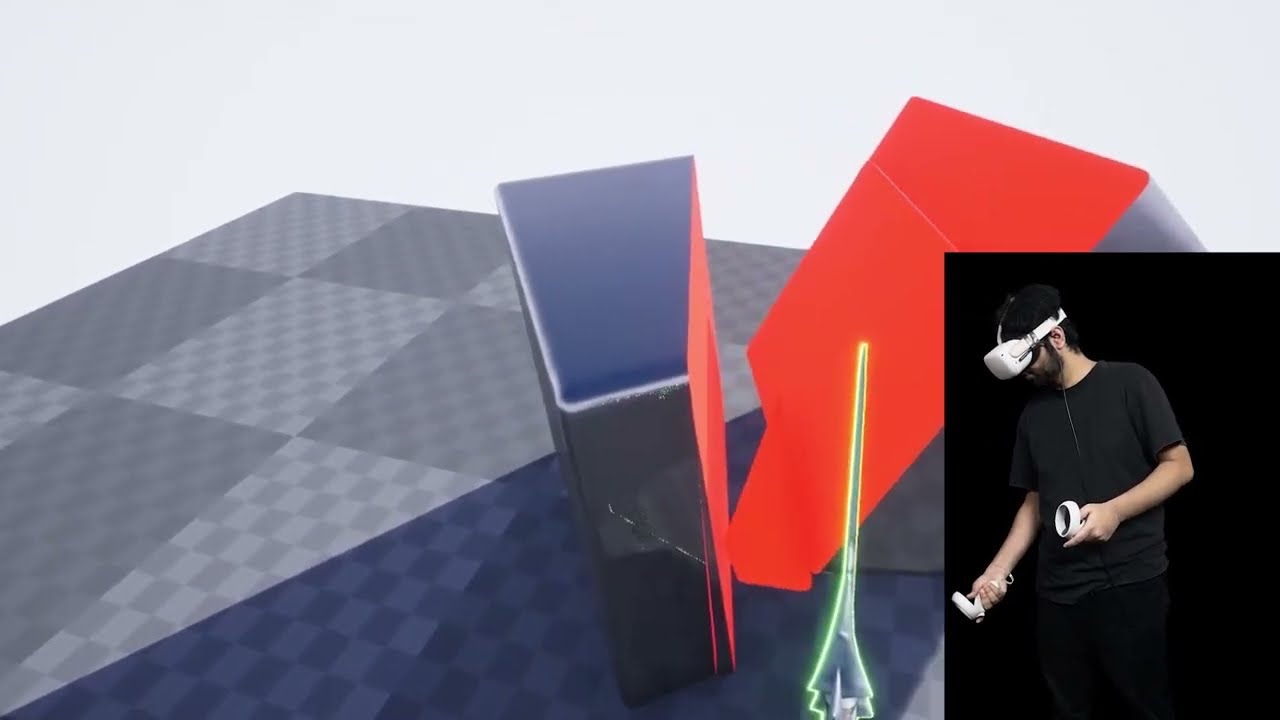
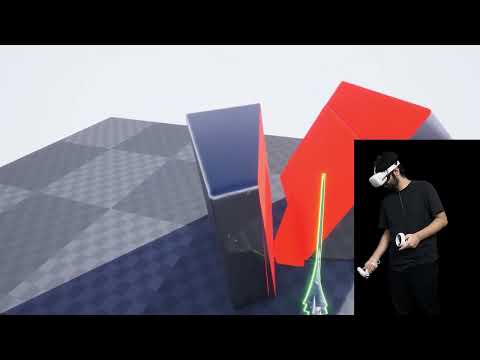
SLICING IN VR
Exploring a VR slicing interaction project with Unreal Engine, emphasizing advanced object interaction and physics.
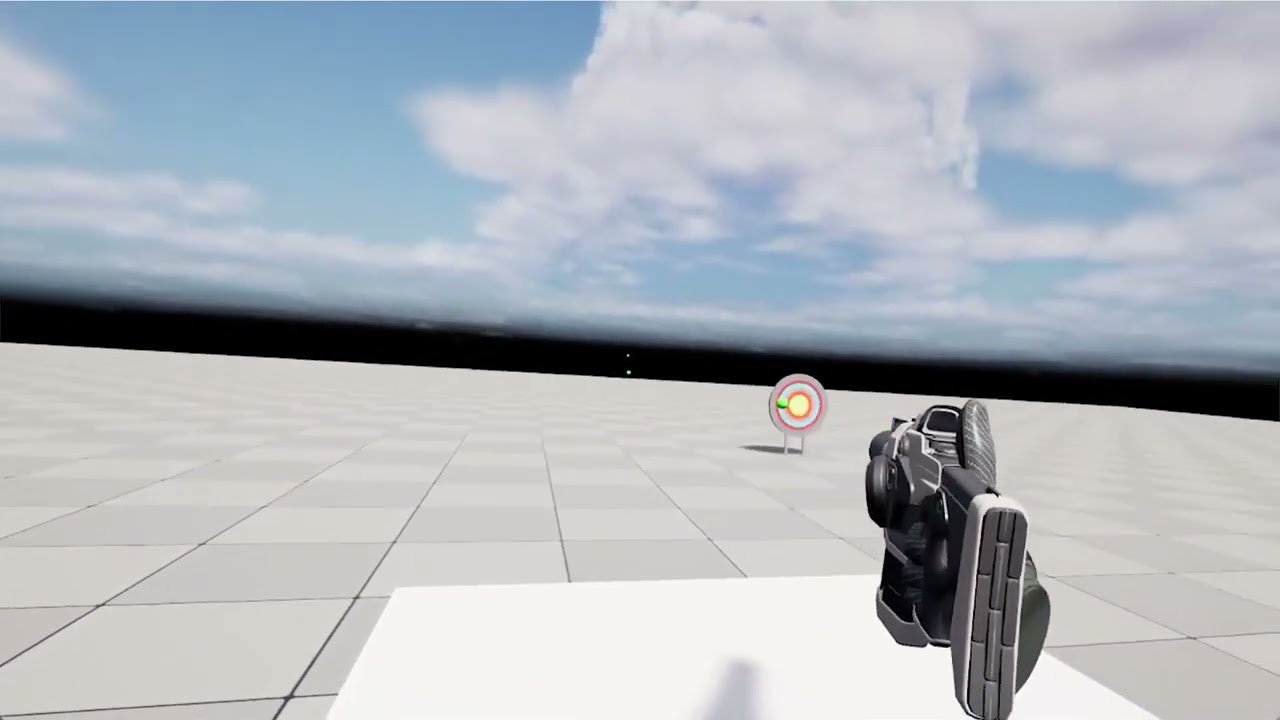
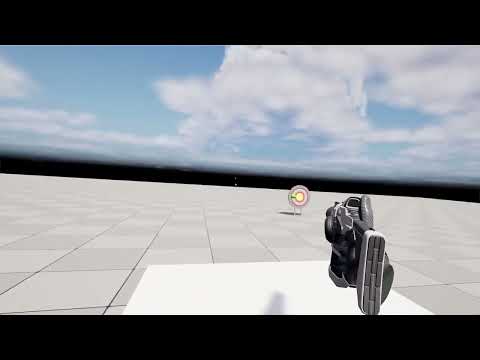
SHOOTING IN VR
Built in Unreal Engine, this project explores immersive shooting mechanics with real-time hit detection.
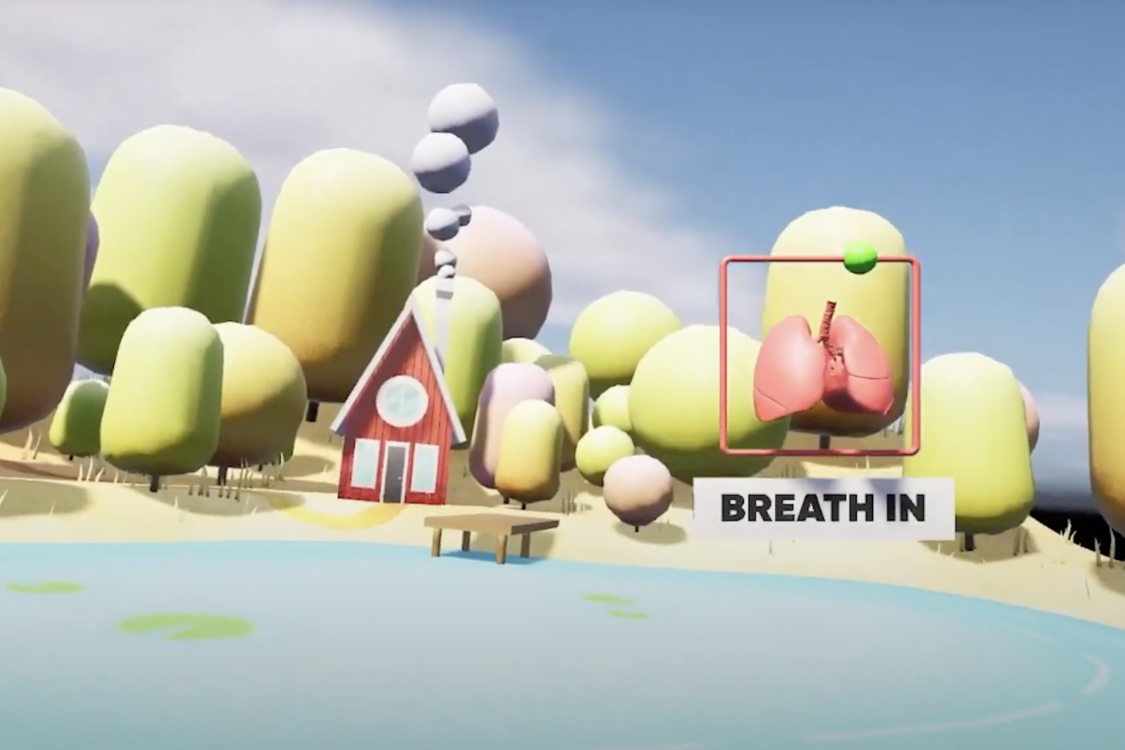
VR BREATHING THERAPY
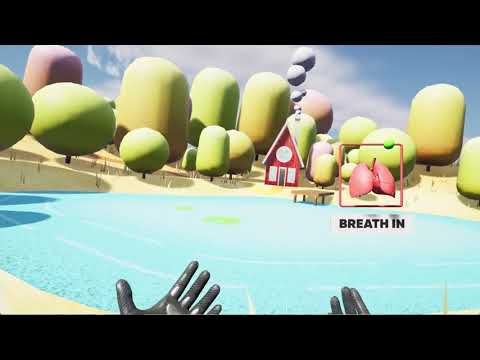
Users practice structured breathing patterns in a soothing VR space designed with visual and auditory relaxation cues. This VR application uses mindfulness training with therapeutic breathing techniques to improve mental well-being and reduce anxiety.
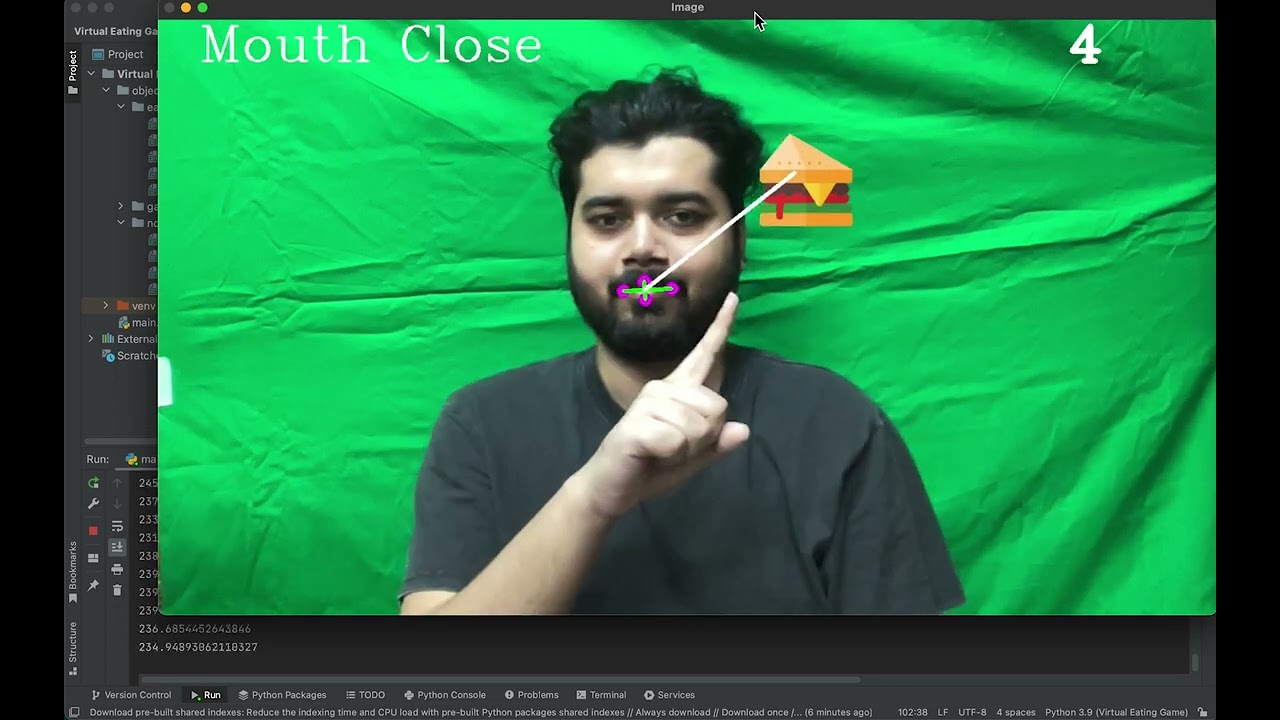
HEALTHY EATING TRAINER
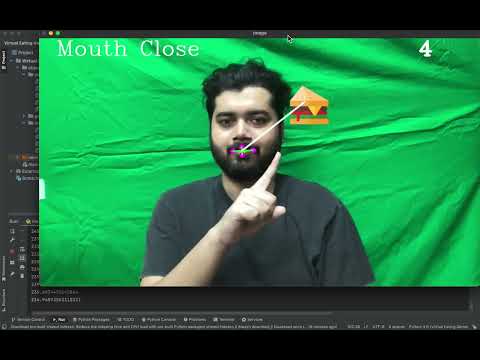
Developed a child-centric educational game in Python, highlighting healthy eating and HCI principles, powered by innovative face-tracking mechanics.
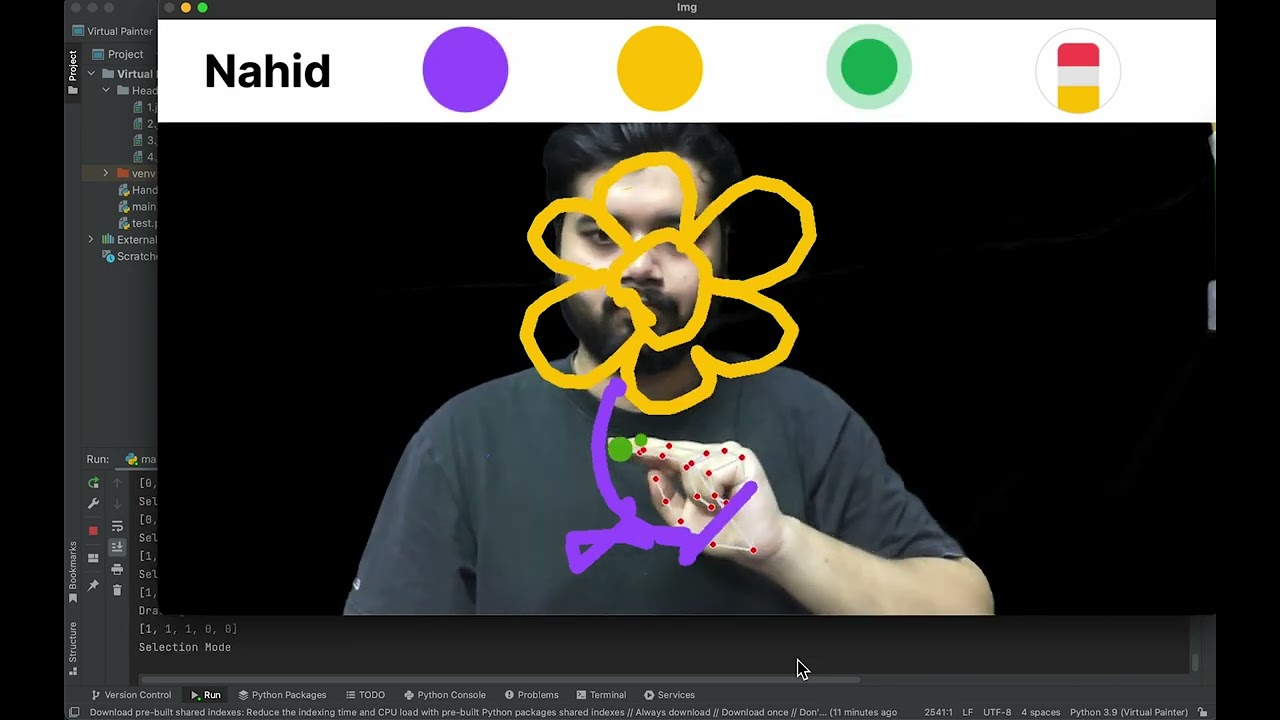
VIRTUAL PAINTING
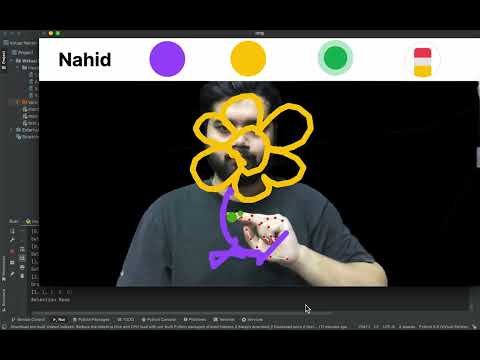
Developed a virtual painting app using Python, merging AI with HCI via advanced hand tracking and computer vision.
EXPERIENCE
RESEARCH ASSISTANT
HEX Lab, UW-Milwaukee
Wisconsin, USA
- • VR locomotion research
- • Data analysis and visualization
- • Research paper writing
TEACHING ASSISTANT
University of Wisconsin-Milwaukee
Wisconsin, USA
- • Course instruction and grading
- • Student mentoring
- • Lab supervision
RESEARCH ASSISTANT
AML Lab Dhaka
Dhaka, Bangladesh
- • Computer vision research
- • Machine learning model development
- • Publication writing
HEXLAB

HUMAN EXPERIENCE IN XR
Focusing on understanding and improving human-computer interaction through immersive technologies.